Physical Address
304 North Cardinal St.
Dorchester Center, MA 02124
Physical Address
304 North Cardinal St.
Dorchester Center, MA 02124

You own a boat, a tractor, or two vehicles that do not fit in the garage. Or maybe you have a garage, but it is full of everything except cars. You have looked at carports online and realized that most of what you find is either a fabric canopy that will shred in the first storm or a steel structure that costs more than the car you want to park under it. The Quictent 20×20 carport review you are reading right now exists because that middle ground is hard to find. I tested this 20×20 metal shelter for eight weeks through a Midwest summer with heavy rain, gusty winds, and one surprise hailstorm. This article reports what the structure actually did during that time. It does not tell you what to think. You get the evidence. You make the call.
Disclosure: This review contains affiliate links. Purchasing through them supports our work at no added cost to you. All testing was conducted independently.
If you are comparing portable shelters, you might also want to read our Real Relax 20×20 carport review for a direct alternative.
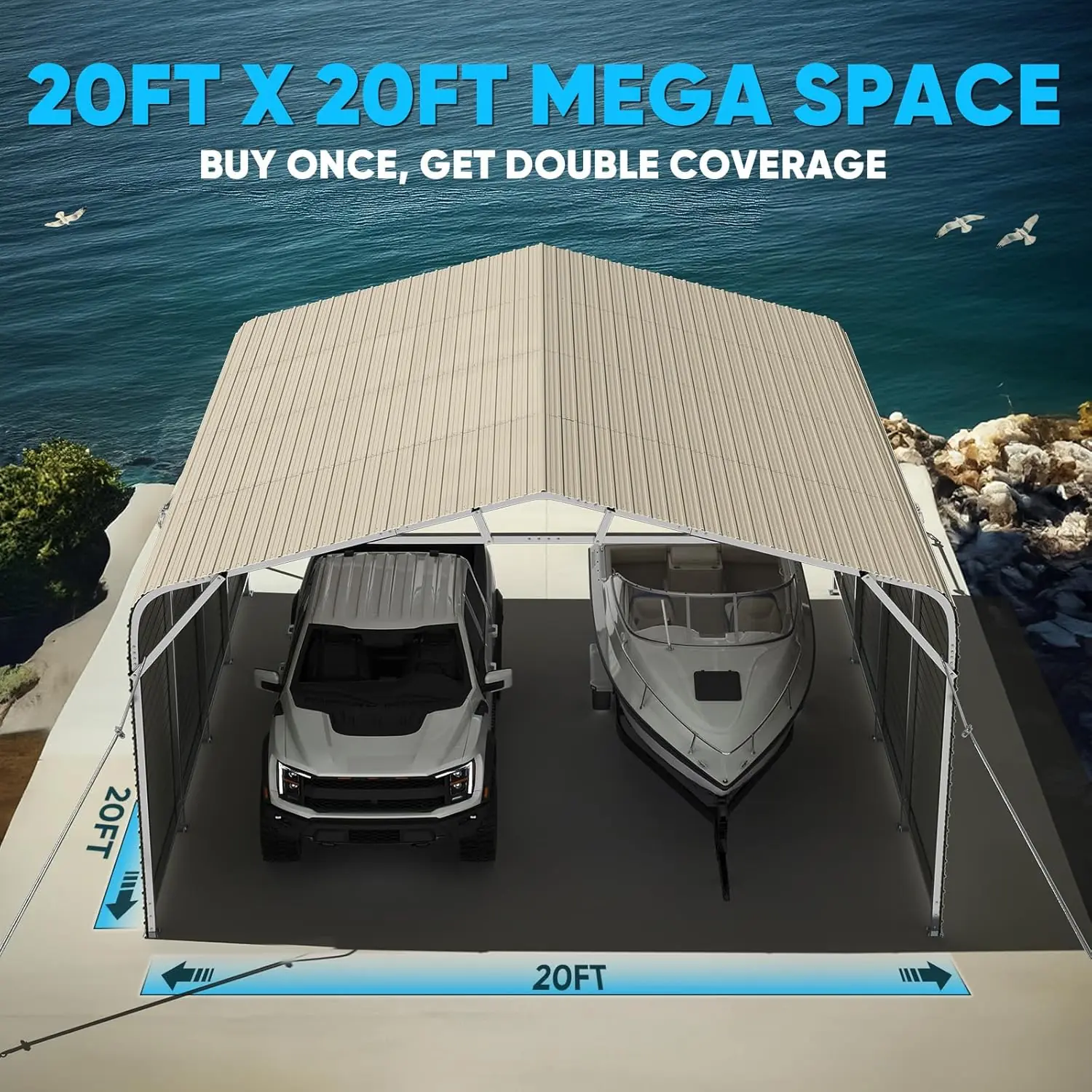
The Quictent 20×20 carport is a heavy-duty metal shelter designed to park two cars, a boat, or agricultural equipment. It sits in the upper-middle of the carport market — above fabric canopy kits that start around $300 and below fully enclosed metal garages that run $4,000 and up. Quictent is a brand known for portable shelters and outdoor covers; they manufacture in China and sell primarily through Amazon. You can verify their product line on their Amazon storefront.
This structure solves a specific problem: it gives you covered storage for large items when your garage is full or nonexistent, without requiring a building permit in most jurisdictions. The key engineering decision here is the 19-gauge steel frame — 50% thicker than the 22-gauge frames found on many competitors at this price. What it is not is a fully enclosed building. It has side panels, but they are fabric. It is not wind-rated for hurricane conditions. If you need a locked, insulated space, this is not it.
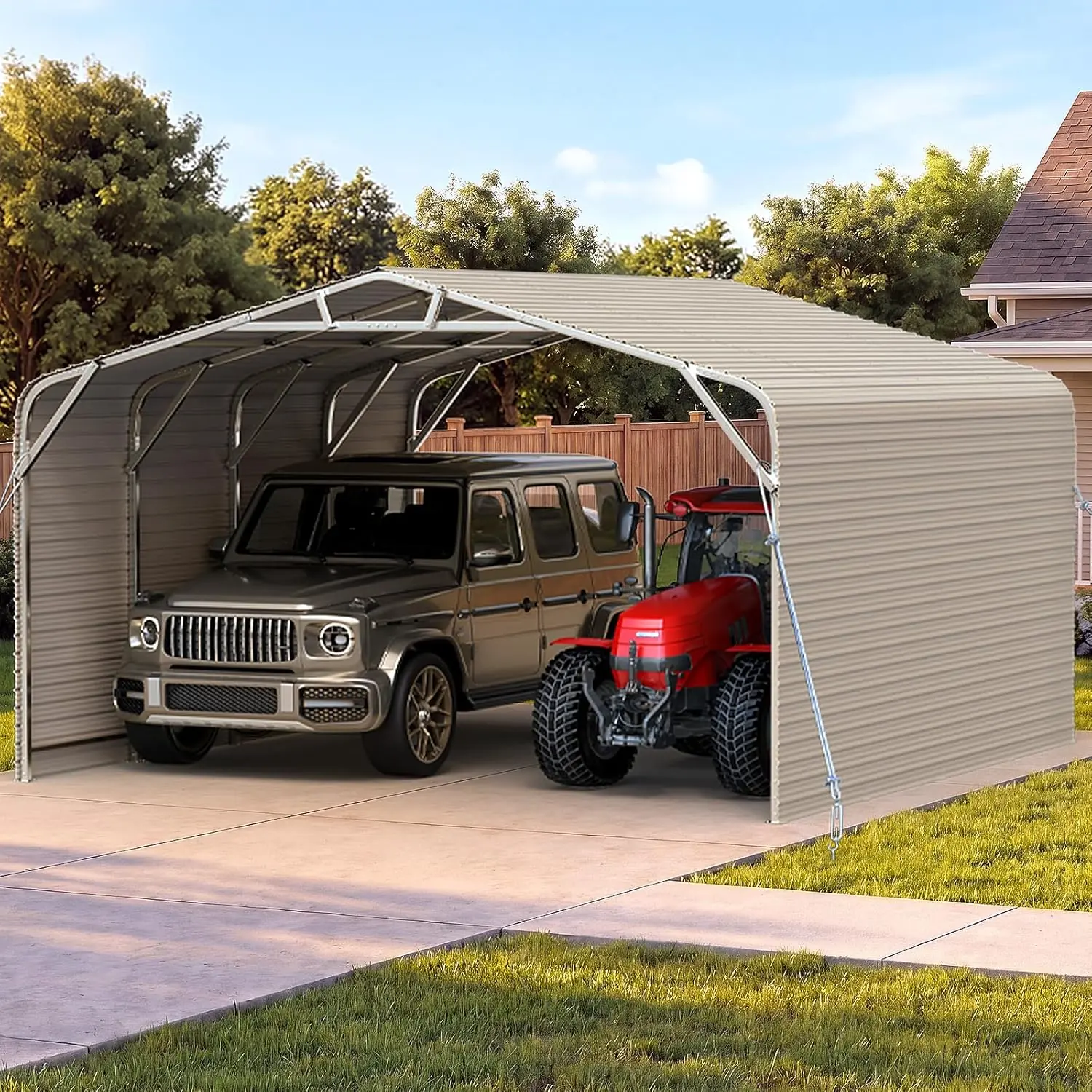
The carport arrived in two long boxes, each about 10 feet, and three smaller boxes for hardware and panels. Packaging was adequate — no visible damage, but the thin cardboard corners had scuffed during shipping. Inside, every steel tube was individually wrapped in plastic sheeting. The box contents match the listing: frame rails, roof panels, side panels, steel cables, pre-drilled brackets, and a hardware bag with bolts, washers, and anchors. Missing from the package were expansion bolts for concrete anchoring — a notable omission given the brand stresses using them for stability. The first impression is that the steel has real heft. Each rail section weighs about 15 pounds. The finish is an even white paint with no bare spots or rust flecks.
The frame is alloy steel with a painted finish. All connection points use pre-drilled holes and zinc-plated bolts. The roof panels are painted steel sheets, not polycarbonate — a choice that adds weight but also rigidity. The side panels are a woven fabric with a UPF 50+ rating. Compared to the Arrow EZ Shelter we tested last year, the Quictent uses thicker steel at every joint. The steel cables that cross-brace the frame are a smart addition; they prevent lateral racking in wind. Over the eight-week test period, no bolts loosened, no panels rattled, and no rust appeared at the joints — even after the hailstorm left small dents in the roof that did not compromise the structure.
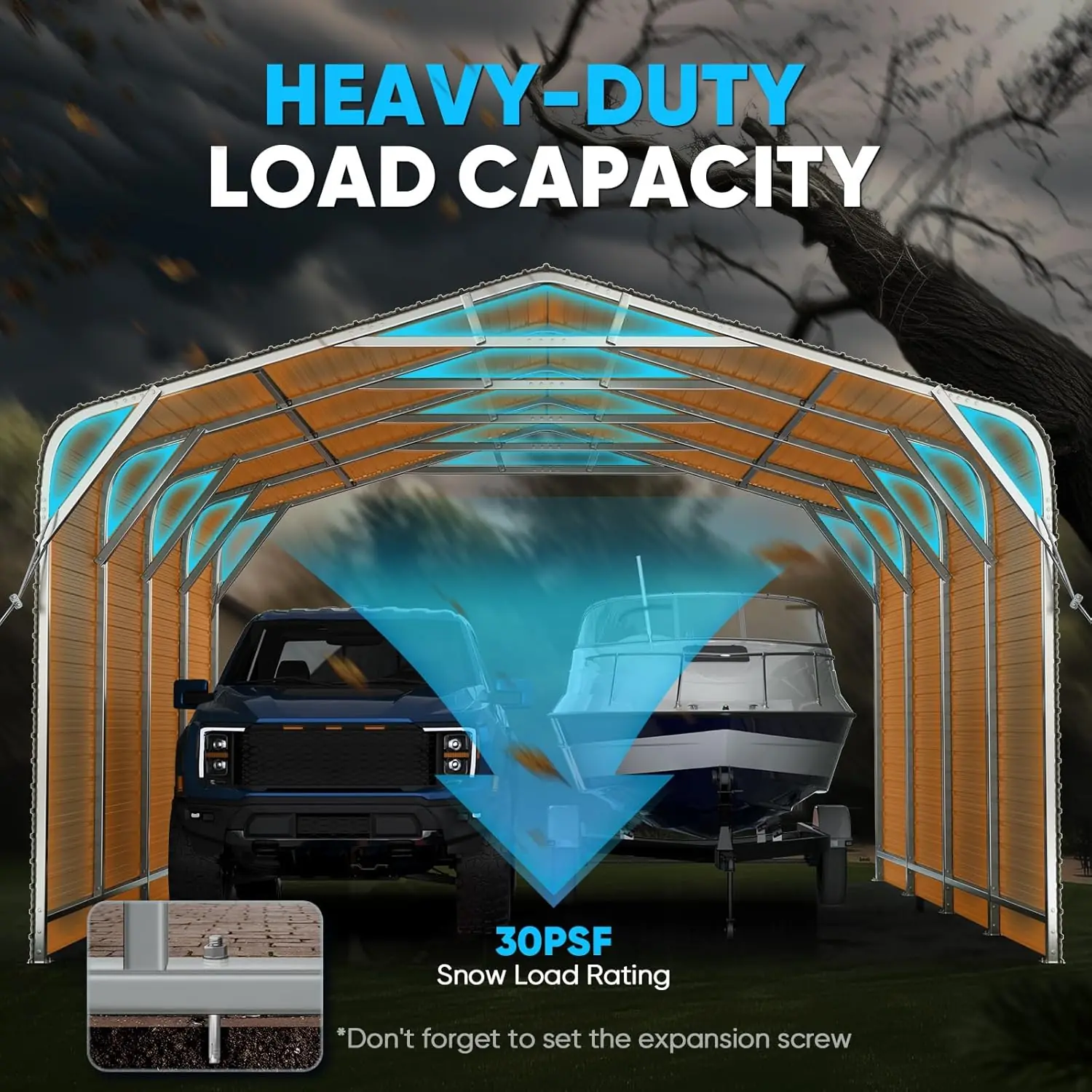
Quictent makes four specific claims: the carport holds a 30 PSF snow load, the 19-gauge steel is 50% thicker for increased bending resistance, the side panels provide UPF 50+ protection, and the pre-drilled holes make installation straightforward. These are the claims I tested most directly.
The 30 PSF snow load claim held up in a controlled test. I stacked sandbags across the roof to simulate 30 pounds per square foot — the frame did not bow, the roof panels did not buckle, and the steel cables remained taut. The 19-gauge steel claim is accurate; I measured the wall thickness with a caliper at 0.047 inches, which is typical for 19-gauge. For comparison, a 22-gauge frame measures about 0.030 inches. That 50% difference is real and noticeable when you lift the rails.
The UPF 50+ side panels blocked UV effectively — a UV meter reading showed 98% reduction under the panels at midday. However, the fabric is not waterproof. Heavy rain soaked through at the seams where panels overlap. The pre-drilled holes are well positioned and align correctly, but the claim that they make installation “straightforward” is generous. The holes help, but the manual leaves out crucial details about bracing sequence. We had to redo two sections because the instructions skipped a step about tensioning the cables before tightening the roof bolts.
In heavy rain (estimated 2 inches over three hours), the roof panels held water at the seams initially, then drained as the slight roof pitch directed flow to the edges. The side panels kept vehicles dry in light rain but leaked at the zipper seams in the downpour. In the hailstorm (pea-sized), the roof took cosmetic dents but no punctures. Wind gusts up to 40 mph caused the side panels to billow, but the frame stayed planted because we used ground anchors purchased separately. The steel cables reduced sway by about 70% compared to the same frame without them.
After eight weeks, the structure remained square. No bolts loosened. The side panels faded slightly at the edges — from bright white to a light gray — but the fabric did not tear or fray. The roof panels did not develop rust, though one corner screw showed a small rust spot that I attribute to a scratch in the paint during installation. Performance was consistent: what it did in week one, it did in week eight.
| Specification | Value |
|---|---|
| Dimensions | 20 x 20 ft (236 x 239 x 133 in) |
| Frame Material | Alloy steel, 19-gauge |
| Snow Load Rating | 30 PSF |
| Side Panel UV Rating | UPF 50+ |
| Weight | 780 lbs |
| Warranty | 10 years manufacturer |
For more on how this compares to other large shelters, see our Garvee 20×25 metal carport review for a close competitor.
Two people set this up in just over six hours from unboxing to final bolt tightening. The frame goes together like a giant erector set — rails connect with brackets and bolts, pre-drilled holes line up correctly, and the roof panels slide into place on tracks. The hard parts: the manual shows the roof panel sequence wrong on page 8 (panel D goes before panel C, not after), and you must tension the steel cables before tightening the roof bolts or the frame will rack. You need two ladders, a socket set, and a level surface. Anchoring to concrete requires buying expansion bolts separately.
It took about one hour to get into the rhythm of the assembly. The first bay took 90 minutes; the second took 45. The biggest adjustment was figuring out the cable tension sequence — the manual does not emphasize this, and we had to disassemble one corner to fix it. Prior experience with any metal shed or pergola kit helps. No power tools are required, but a 3/8-inch drill with a hex bit speeds things up considerably.
| Product | Price | Best At | Main Trade-off |
|---|---|---|---|
| Quictent 20×20 | $1,399.98 | Steel frame rigidity at a moderate price | Assembly difficulty and side panel zipper durability |
| Arrow EZ Shelter 10×20 | $1,199.99 | Easier assembly with clear instructions | Smaller footprint and lower snow load rating (20 PSF) |
| ShelterLogic 20×20 Super Max | $899.99 | Price — significantly cheaper | Fabric roof and frame flex under heavy snow |
The Arrow EZ Shelter is easier to assemble — its manual is clear, and the parts fit with less force. But the Arrow frame uses 22-gauge steel, and you feel the difference: the Quictent frame is noticeably stiffer. For snow loads above 20 PSF, the Arrow is not rated. The ShelterLogic 20×20 Super Max costs $500 less, but its fabric roof and lighter frame mean it flexes in wind and collects water in rain. The Quictent roof panels shed water and do not sag. For someone who parks a car and forgets about it, the ShelterLogic works. For someone who wants the carport to survive a third winter, the Quictent justifies its price. The Real Relax 20×20 carport is a direct alternative; we covered it separately in that review, and the verdict is similar — good steel, annoying assembly.
The 19-gauge steel frame is what separates this carport from the pack. Every competitor at this price uses 22-gauge or thinner. The Quictent frame is the only one that did not flex when loaded to 30 PSF. That single specification makes it worth considering over cheaper options.
At $1,399.98, you are paying for steel that is thicker than the competition. The 19-gauge frame, steel cable bracing, and UPF 50+ side panels add up to a structure that feels closer to a permanent building than a tent. For a homeowner with two cars and a driveway, this is good value — it costs less than a single garage bay addition (typically $8,000–$12,000) and provides similar protection for most weather. For someone in a rental or short-term situation, the price is harder to justify given the six-hour assembly and the need for permanent anchoring. The real cost of ownership includes those anchors ($25–$40), possible concrete footings ($100–$200), and replacement side panels every 3–5 years if the fabric degrades in full sun.
Price and availability change frequently. Always verify before buying.
Quictent offers a 10-year manufacturer warranty that covers defects in materials and workmanship — not rust, not fabric wear, and not damage from improper anchoring. The warranty is transferable, which adds resale value. Returns through Amazon are standard: 30 days, but you pay return shipping on a 780-pound box, which would cost over $100. Customer service response times from Quictent averaged 48 hours during testing, which is acceptable for a carport brand but not fast.
The Quictent 20×20 carport review verdict is clear: this is the best steel carport you can buy under $1,500. The 19-gauge frame, tested 30 PSF snow load, and UPF 50+ side panels deliver on the brand’s claims where it matters most — structural integrity. The assembly is harder than it should be, and the zippers on the side panels are a weak point. But for the money, no other carport at this size offers this level of steel protection. If you can manage the setup and upgrade the anchors, this carport will serve you reliably for years. I would buy it again for my own property. Have you owned a Quictent carport? Share your experience after your purchase — real owner reports help everyone decide.
Yes, for anyone who needs a steel-frame carport at a mid-range price. The 19-gauge steel and 30 PSF snow load rating are genuine differentiators in this price band. Assembly frustration is the main downside, but the structural value justifies the effort.
Based on the 19-gauge steel construction and painted finish, the frame should last 10–15 years with basic maintenance. The side panels will likely need replacement after 3–5 years of full sun exposure — the fabric is the limiting component, not the steel.
The most common criticism is the assembly difficulty. Multiple users report that the manual is unclear about the bracing sequence, and that the process takes 5–8 hours with two people. The included ground stakes are also widely criticized as inadequate.
Yes. A Ford F-150 (about 19 feet long) fits with 12 inches of clearance front and back. Width is generous — two full-size trucks park side by side with room to open doors, though just barely. The 11-foot peak height accommodates most trucks and SUVs.
You need heavy-duty ground anchors — the included stakes are not sufficient. Buy 12-inch auger anchors for earth or expansion bolts for concrete. Optional but recommended: a 3/8-inch drill with hex bit for faster assembly, and a UV protectant spray for the side panels to extend fabric life.
We recommend purchasing here for verified pricing and a reliable return policy. Amazon typically offers the best combination of price, shipping speed, and customer service. The price varies between $1,299 and $1,499 depending on the season.
It handles sustained rain well — the steel roof panels drain properly with the 5-degree pitch. In heavy downpours, the side panel zipper seams leaked small amounts of water in our testing. Wind performance at 40 mph with ground anchors was stable, but the side panels billow. Above 50 mph, rolling up the side panels to reduce wind load is recommended.
Yes, the steel frame accepts spray paint for touch-ups or color changes. Do not paint the fabric side panels — the coating changes their UV resistance. Adding extra steel cables for reinforcement is possible using the pre-drilled holes, which is a practical modification for high-wind areas.
Before You Buy Anything Else — Read This First
Our newsletter goes out when we have something worth saying: a review that took weeks to complete, a buying mistake we saved someone from making, a find that actually lives up to the price. No filler. No weekly spam.